

In an age where machine learning, deep learning, and neural networks are no longer just buzzwords but pivotal parts of our daily lives, it's no surprise that the advertising industry is witnessing a significant transformation.
One pertinent question arising amidst these advancements is: Can AI create ads? The answer is a resounding yes.
Here's how AI is reshaping the world of advertising.

1. The AI Revolution in Advertising
Historically, advertising has always been a mix of art and science. Creatives would dream up compelling stories, and analysts would study market trends to ensure those stories resonated with the target audience. Now, Artificial Intelligence is bridging these two realms, bringing in unparalleled efficiency and precision.
2. Tools and Platforms Making Waves
Several AI platforms and tools have sprung up, offering ad creation capabilities:
- IBM Watson Advertising: Utilizing the power of Watson, IBM's flagship AI, this tool can process vast amounts of data to generate insights and create relevant ads based on these insights.
- Google AutoML Vision: A boon for businesses focusing on image-based ads, this tool is pivotal in image recognition, optimizing visual elements for better engagement.
- Phrasee: This tool is all about words. Phrasee uses AI to draft compelling email subjects, ad headlines, and more, ensuring the copy grabs attention and elicits action.
- Adext: Offering AI-driven ad campaign management, Adext uses AI to find the best audience or demographic group for any ad.
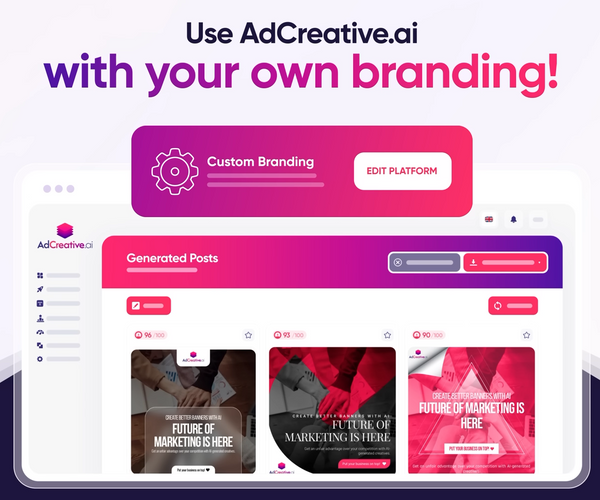
- AdCreative.ai: Generate conversion focused ad creatives and social media post creatives in a matter of seconds using Artificial Intelligence. Get better results while saving time.
3. How Does AI-Generated Ad Creation Work?
The process begins with data. AI tools, when fed with ample historical data, current market trends, audience preferences, and competitor data, can draft ads that resonate with a target audience. Here's a simplified breakdown:
- Data Collection: AI platforms gather data from various sources – from past campaigns, social media trends, website analytics, and more.
- Analysis: The AI tool processes this data, looking for patterns, behaviors, and preferences. It can predict what kind of ad content would appeal to which demographic, at what time, and on which platform.
- Ad Creation: Based on the insights derived, the AI tool drafts ad copies, designs layouts, selects images or videos, and even sets the tone of the ad.
- Optimization: Post creation, AI doesn't stop. It continually monitors the ad's performance, making real-time tweaks to optimize for better results.
4. Benefits of AI-Generated Ads
- Personalization at Scale: AI can customize ads for individual users based on their browsing history, purchase behavior, and preferences.
- Efficiency: With AI, the time taken to draft, test, and optimize an ad is significantly reduced.
- Data-Driven Decisions: Gone are the days of guesswork. Every decision is backed by data, ensuring higher ROI.
5. The Human Touch in an AI World
While AI's efficiency in ad creation is unparalleled, it's crucial to remember that advertising is not just about numbers. It's about connecting with humans on an emotional level. Therefore, even though AI can draft and optimize an ad, human intervention is necessary to ensure the ad tells a story, evokes emotions, and aligns with brand values.
6. Ethical Considerations
As with all things AI, ethical concerns arise:
- Data Privacy: Personalized ads mean more data collection. Brands need to ensure they're not infringing on user privacy.
- Over-Reliance on AI: There's a risk of ads becoming too generic if everyone uses the same AI tools and follows the same patterns.
7. The Future of AI in Advertising
While we're only scratching the surface of AI's potential in advertising, the future looks promising. We can expect:
- Voice and AR Ads: With the rise of voice assistants and augmented reality, AI will soon craft ads for these platforms, offering more immersive experiences.
- Emotion Detection: AI tools might analyze facial expressions and voice tones to gauge user emotions and then display ads accordingly.
- Automated Marketing Strategies: Beyond creating ads, AI might draft entire marketing strategies based on real-time market shifts.
Conclusion
The integration of AI in advertising heralds a new era where ads are not just seen but also resonate deeply with the audience. By combining AI's efficiency with human creativity, brands can craft narratives that are not only compelling but also deeply personalized. As with all technological advancements, the key lies in balanced utilization, ensuring that while we harness AI's power, we never lose the human essence that makes stories memorable.